



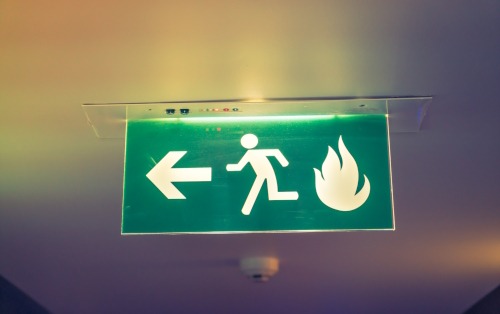
Places of worship possess significant distinct characteristics regarding fire safety: they can accommodate large gatherings of people and may contain heritage items, combustible materials, textiles, wooden furniture, candles, oil lamps, or other open flame sources. Order No. 28/2009 establishes general fire safety provisions for religious properties, applicable to places of worship, monastery complexes, accommodation facilities, museums and religious collections, rare book repositories, workshops, outbuildings, and other structures or activities specific to religious denominations.
Thank you for reading this post, don't forget to subscribe!The owner or the person holding managerial responsibilities at the religious property is legally required to formally organize fire safety operations. This entails establishing, through written directives, the responsibilities regarding prevention and emergency response, designating an authorized person in this field, drafting internal fire safety instructions, and defining the duties for permanent, occasional, or seasonal staff. Furthermore, managers must permit prevention inspections by the emergency situations inspectorates, present all requested documentation, and communicate safety rules to participants, particularly during large-scale religious events.
Fire safety documentation must clearly outline the procedures for detection, alarm activation, fire reporting, emergency response, evacuation of individuals, and the salvage of valuable assets. For properties where at least 5 people operate permanently, as well as for properties listed as World Heritage sites or historical monuments in categories A or B, requirements are more stringent. These include organizing internal inspections, regulating open flame works and smoking, identifying high-risk fire areas, training personnel, and informing visitors about preventive behavior.
In practice, these obligations extend far beyond paperwork. The owner must ensure that any open flame used in religious activities—such as candles, censers, or similar objects—is kept at a safe distance from combustible materials like furniture, carpets, drapes, curtains, clothing, books, or other flammable items. In high-risk areas, such as attics, archives, storage rooms, or technical booths, smoking and the use of open flames are strictly prohibited. Additionally, electrical, gas, heating, ventilation, and other building systems must be operated in a manner that prevents them from becoming ignition sources or facilitating fire spread.