



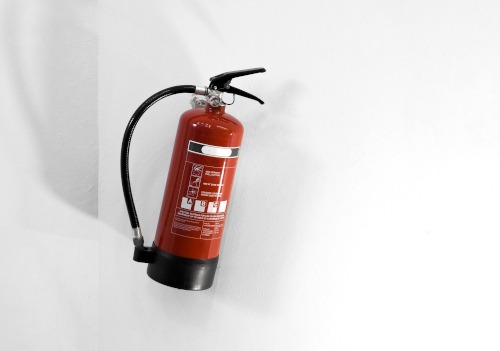
Indoor fire hydrants are essential installations for rapid intervention in the event of a fire. Their installation is required in buildings depending on their purpose, area, volume, number of floors, maximum occupancy, and fire risk level. According to Technical Regulation P118/2-2013, as amended by Order No. 6026/2018, indoor fire hydrants are mandatory, among others, in high-rise and very high-rise buildings, buildings with assembly occupancies, commercial premises with a gross floor area exceeding 600 sqm, underground spaces with a gross floor area exceeding 300 sqm, as well as in certain above-ground and underground parking facilities.
Thank you for reading this post, don't forget to subscribe!The regulation also establishes requirements for buildings with specific functions. For example, in educational and cultural buildings, indoor hydrants become mandatory when the maximum simultaneous occupancy exceeds 200 persons or when the building area exceeds 600 sqm and the building has more than two above-ground floors. For tourism and accommodation facilities, including those intended for pupils, students, or athletes, the requirement applies when there are more than 50 accommodation places or when the building area exceeds 600 sqm and the building has more than three above-ground floors. In the healthcare and social assistance sector, the requirement is particularly important for facilities accommodating vulnerable persons, such as preschool children, elderly persons, persons with disabilities, or homeless individuals, when occupancy exceeds 50 persons simultaneously or the building volume exceeds 2,000 cubic meters.
Indoor fire hydrants are also required in other categories of buildings, such as administrative and religious buildings with more than 200 occupants simultaneously or a building area exceeding 600 sqm and more than three above-ground floors, sports facilities accommodating more than 200 persons, as well as production and/or storage facilities with a gross floor area exceeding 600 sqm and presenting a high or very high fire risk. Regarding parking facilities, requirements apply, for example, to enclosed above-ground parking structures with capacity for more than 10 vehicles or more than two levels, open above-ground parking facilities with capacity for more than 50 vehicles or more than two levels, and underground parking facilities, in accordance with the applicable technical regulations.
Beyond the obligation to install them, it is equally important to ensure that the system remains operational. The hydrant valve, hose, drum or support, and discharge devices must be installed in a properly positioned cabinet at a height that allows rapid use, while access to hydrants must remain permanently unobstructed. Depending on the building type, the theoretical operating duration of the system may vary significantly: 120 minutes for very high-rise buildings; 60 minutes for certain buildings of exceptional or special importance, high-rise buildings, assembly occupancies, and certain underground parking facilities; 30 minutes for certain parking facilities and production/storage spaces without sprinkler systems; and 10 minutes for other categories of buildings equipped with indoor hydrants. In practice, indoor hydrants should be regarded as an active component of fire safety: they must be inspected, properly marked, easily accessible, and integrated into staff training programs so that they can be used effectively and safely in the event of a fire.