



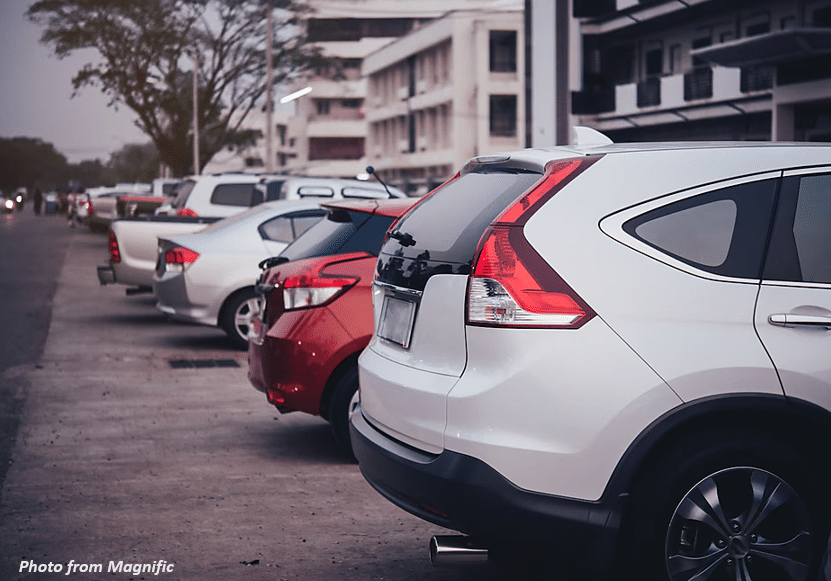
Companies in Romania will keep deducting 50% of the VAT on cars used for both business and personal purposes. The Council of the European Union has extended Romania’s derogation through December 31, 2029, under Council Implementing Decision (EU) 2026/2495. The decision was adopted in Luxembourg on October 29, 2026, and published in the Official Journal of the European Union, L series, on November 5, 2026.
Thank you for reading this post, don't forget to subscribe!The previous authorization, granted under Implementing Decision (EU) 2024/1641, was set to expire on December 31, 2026. With the extension, the simplified regime continues without interruption from 2027 through 2029.
What the derogation covers
The decision is based on Article 395(1) of Directive 2006/112/EC on the common system of value added tax. Romania submitted its request on May 19, 2026, and the European Commission confirmed on May 26, 2026, that the application was complete.
The approved mechanism has two parts:
Deduction capped at 50% (derogation from Article 168 of the Directive). The cap applies to VAT on the purchase, intra-Community acquisition, import, rental, or leasing of vehicles that are not used exclusively for business. The same cap also applies to maintenance, repair, and fuel expenses.
No VAT on personal use (derogation from Article 26(1) (a)).
Companies don’t have to treat private use of the car, by the company or its employees, as a supply of services for consideration. As a result, they don’t have to charge extra VAT on the personal-use portion.
Which vehicles keep full deductibility
The 50% cap is the general rule for cars used for both business and personal purposes. VAT stays fully deductible for:
- vehicles with a maximum authorized weight above 3,500 kg (about 7,700 lbs) or with more than nine seats, including the driver’s seat;
vehicles used exclusively for emergency response, security and protection services, or courier services; - cars used directly by sales representatives and purchasing agents;
vehicles used for paid passenger transport, including taxis, vehicles that are rented out or leased, and driving school vehicles; - vehicles purchased for resale
Why the measure was extended The decision relies on the review report submitted by the Romanian government. According to official data, 99.7% of active businesses in industry, construction, and services are small and medium-sized enterprises (SMEs). Companies with nine or fewer employees make up 91.1% of all businesses. In these small companies, a car is typically used both for company business and for personal purposes. The 50% rate reflects the national average of this mixed use.
The EU’s assessment pointed to three main reasons:
Less red tape. Companies don’t have to keep detailed mileage logs to support a partial deduction, and tax inspectors have less to audit.
Preventing tax evasion caused by incomplete or inaccurate accounting records.
Neutral budget impact. The measure has only a negligible effect on Romania’s VAT revenue. It doesn’t affect the EU’s VAT-based own resources, and it isn’t likely to shift fraud to other sectors or other member states.
What comes next
The decision takes effect on the date Romania is notified and remains valid through December 31, 2029. If Romanian authorities want to keep the regime after that date, Romania must file a new request with the European Commission by March 31, 2029. The request must include a report on how effective the measure has been and whether the 50% rate is still appropriate.
Legal basis: Council Implementing Decision (EU) 2026/2495 of October 29, 2026, amending Implementing Decision (EU) 2024/1641 as regards the extension of the authorization granted to Romania to apply special measures derogating from Article 26(1)(a) and Article 168 of Directive 2006/112/EC.