



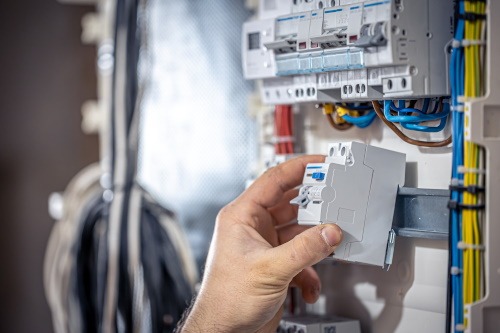
Electrical installations are one of the areas where improvised solutions can have serious consequences. A defective socket, a damaged cable, an overloaded extension cord, or an improperly replaced fuse may seem like minor issues, but in reality they can become sources of overheating, short circuits, and fires. For this reason, electrical installations must be operated in compliance with fire safety regulations and inspected by qualified and authorized personnel.
Thank you for reading this post, don't forget to subscribe!Situations that must be avoided include inserting conductors directly into sockets without a plug, using defective sockets and switches, replacing fuses with non-calibrated ones, supplying too many electrical consumers from the same circuit, using improvised lighting fixtures, or covering lighting equipment with combustible materials. It is equally important to keep electrical panels and technical rooms clear at all times. These areas should not be used to store paper, cardboard, plastic materials, or other combustible goods.
Special attention must be paid to electrical installations supplying equipment with a critical role in fire safety, such as fire pumps, smoke extraction systems, solenoid valves, firefighters’ elevators, or other systems essential for evacuation and emergency response. These systems must benefit from a reliable power supply, protected wiring routes, and measures designed to prevent accidental shutdown or disconnection during critical situations. In an emergency, the operation of such equipment can directly influence both human safety and the effectiveness of intervention measures.
Fire prevention begins with an electrical installation that is properly operated, periodically inspected, and free of improvised modifications. Any defect that is identified should be reported and repaired by authorized personnel rather than being addressed through temporary fixes. In practice, the most effective preventive measures are often the simplest ones: do not overload sockets, do not use defective equipment, do not store materials near electrical panels, and do not intervene in electrical installations without the required qualifications. The safety of a building largely depends on the discipline with which these rules are followed every day.